
Food Has Always Been Worth Carrying Far
4/30/20263 min read
How ancient long-distance food transit connects to Hungersate today?
Food spoils. Distance is long. These two facts have been fighting each other for as long as humans have moved across the earth.
A Roman soldier marching 3,000 kilometres from Rome to Syria, a Mughal courier riding through summer heat from Delhi to Agra, a merchant walking the Silk Road for months — every one of them faced the same urgent question: how do I get this food there, still good enough to eat?
That question is not ancient history. It is the same question Hungersate was built to answer — for the first time, at intercity scale, in modern India.
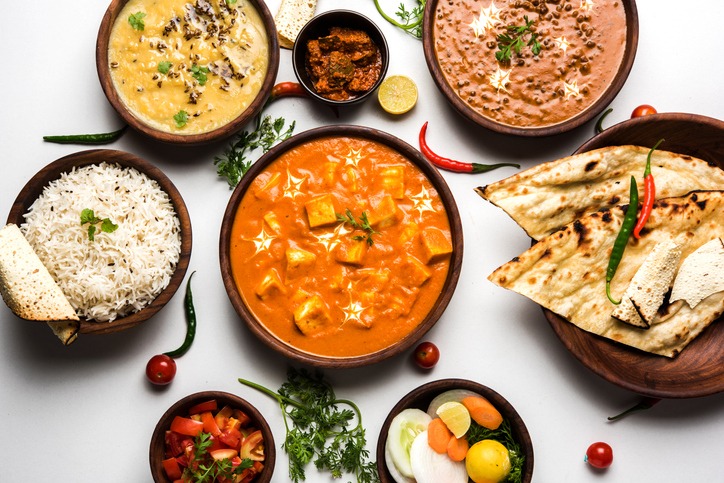
How the Ancient World Solved It?
01
The Roman Food Network
Ancient civilisations were not helpless in front of distance. They were creative. The Roman army marched on salted meat, hardtack biscuits, and vinegar drinks that preserved themselves. Supply wagons followed their legions across continents. The Romans built the world’s first large-scale food logistics network.
02
03
The Silk Road Preservation Era
Mughal India’s Relay Delivery System
On the Silk Road, merchants carried dried figs, pressed dates, honey-sealed fruits, and fermented sauces. The logic was simple: remove moisture, and food survives distance. Camel saddlebags were the original thermal containers — leather-insulated, shade-packed, and loaded with generations of wisdom.
In India, Mughal emperors had relay riders carry sealed dishes between cities. Food from the imperial kitchens of Delhi was handed off between horseback riders in chains — each one covering a short stretch at speed — so that meals arrived warm in Agra. This was, in essence, India’s first intercity food delivery service.
04
The Spice Routes
India’s spice trade added another layer. Turmeric, cloves, and mustard were not just flavour — they were natural preservatives. Food spiced correctly could survive weeks at sea. The spice routes were food safety routes in disguise.
The Same Problem, a New Solution
What is striking about all these ancient methods is how directly they map onto what Hungersate does today. The problems are identical. Only the tools have changed.
Ancient traders used leather and salt to control temperature across distance. Hungersate uses specially engineered thermal packaging to keep food at the right temperature from kitchen to doorstep, across city limits.
Mughal relay riders moved food fast so it would arrive warm. Hungersate airlifts orders between cities on the same day — picked up from the restaurant, loaded onto a flight, delivered within hours.
Ancient travellers trusted specific inns and imperial kitchens because source reputation was everything when food had to travel far. Hungersate partners only with restaurants that have earned more than a decade of reputation in their city — because trust is the one ingredient that has to survive every journey.


Why People Always Carried Food Across Distances?
Long-distance food was never just about the food
A Roman soldier eating bread from his home village was eating Rome. A Mughal noble receiving dishes from Delhi was receiving a message — someone thought of you, across the distance
India is a country of migrants
People move from Hyderabad to Bengaluru, from Bengaluru to Mumbai, from Chennai to Delhi etc etc, and they carry their city’s taste with them like a second identity.
A Hyderabadi in Bengaluru who orders from Hungersate is not just ordering biryani. They are ordering home.
This is exactly what ancestors did on horseback across the Deccan — finding a way to bring the food of their place across the distance that separated them from it. The vessel is different. The wish is the same.
What the Mughal relay rider carried in a sealed pot across 200 kilometres, Hungersate now carries in a thermal insulated bag with gel packs across the same sky — in hours instead of days.
"
"
Hungersate
Hungersate is India’s first intercity food delivery platform. It picks up food from partner restaurants, maintains temperature-controlled packaging throughout the journey, airlifts orders between cities on the same day, and delivers them fresh to your door in another city.
The spice routes are gone. The relay riders are gone. The camel caravans are gone. But the wish they were all carrying — that a great meal could cross a long distance and still taste exactly like it should — that wish never went anywhere. Hungersate just gave it wings.
"Curated Gourmet Indulgence, Delivered"
Services
Company
© 2025 Hungersate. All rights reserved.



Support
FAQ's


Disclaimer: Images and visuals are for representation purposes only. Actual offerings and results may vary.
DPIIT Recognized Startup | MSME Registered
CIN: U56100TS2025PTC193469
D-U-N-S No: 76-643-1362
Startupindia Reg no: DIPP257172